







Search Results for: Hong Kong Consumer Council
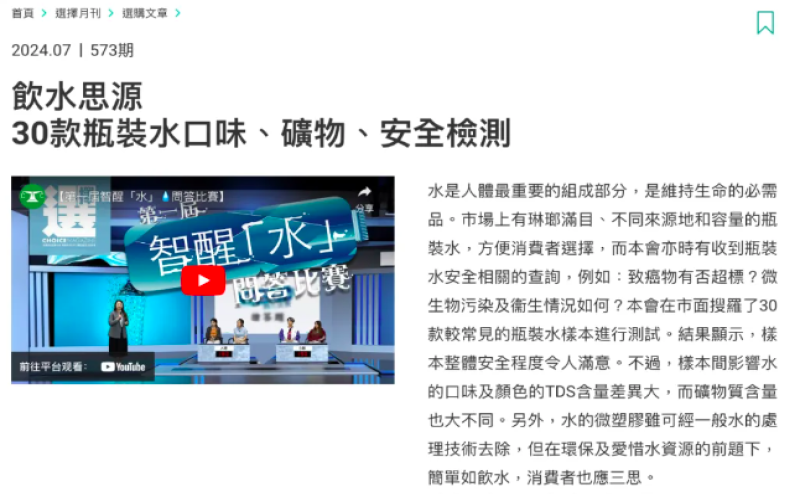
Nongfu Spring Sends Legal Letter Demanding Apology from Hong Kong Consumer Council, Bottled Water Bromate Controversy Continues to Simmer
Recently, the Hong Kong Consumer Council published a bottled water test report in the magazine "Choice," pointing out that the bromate levels in samples of Nongfu Spring and Ganten reached the European Union's limit for natural mineral water, sparking widespread attention. Nongfu Spring immediately commissioned a lawyer to send a legal letter to the Consumer Council, demanding written clarification, an apology, and the elimination of the impact; Ganten also stated that it had made representations through its legal department and emphasized that its product was at the critical value of the EU standard rather than exceeding it. The China Beverage Industry Association said it would issue a response later. The Consumer Council reiterated that none of the 30 samples were found to contain harmful substances exceeding WHO guidelines, and that the article focused on value for money and the environmental impact of plastic bottles, and that all samples could be safely consumed. [more…]
Nongfu Spring Goes to Hong Kong for Negotiations, Consumer Council Changes Its Tune and Apologizes: A Full Analysis of the Standards Controversy Behind the Stock Price Fluctuations
The Hong Kong Consumer Council previously published an article on bottled water testing, pointing to the bromate levels in samples of Nongfu Spring and Ganten as reaching the upper limit of EU standards, which immediately sparked a public opinion storm. Nongfu Spring quickly commissioned a lawyer to send a letter demanding clarification and an apology, and Ganten also issued a statement in response to the misinterpretation of the test results. Under public pressure, Nongfu Spring's stock price continued to decline, and its market value shrank significantly within two days. The company then sent an executive director to Hong Kong for face-to-face negotiations. Today, the Consumer Council published a clarification on its official website, reclassifying the samples as "natural drinking water" and re-scoring them, while also expressing regret. Nongfu Spring responded that its products fully comply with standards and are safe to drink, and its stock price rose in response. [more…]
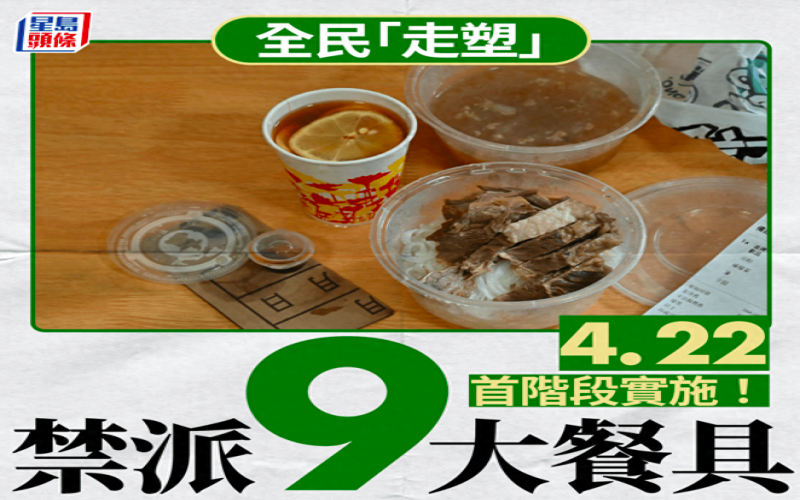
Hong Kong's Full Plastic-Free Debut: McDonald's Paper Cups and Lids Spark Heated Debate, Testing Both Taste and Efficiency
On April 22, World Earth Day, Hong Kong officially launched its "plastic-free" policy, banning in the first phase the provision of styrofoam tableware and various single-use plastic utensils for food delivery. Chain giant McDonald's was the first to respond, fully switching to paper cup lids and paper straws. However, customers complained that they had a strong paper taste, leaked easily, and were not durable, while staff also faced difficulties in identifying them and a rising error rate. During the 6-month adaptation period, some stores have quietly switched back to plastic cup lids. How should the coffee industry balance the environmental trend with the consumer experience? [more…]
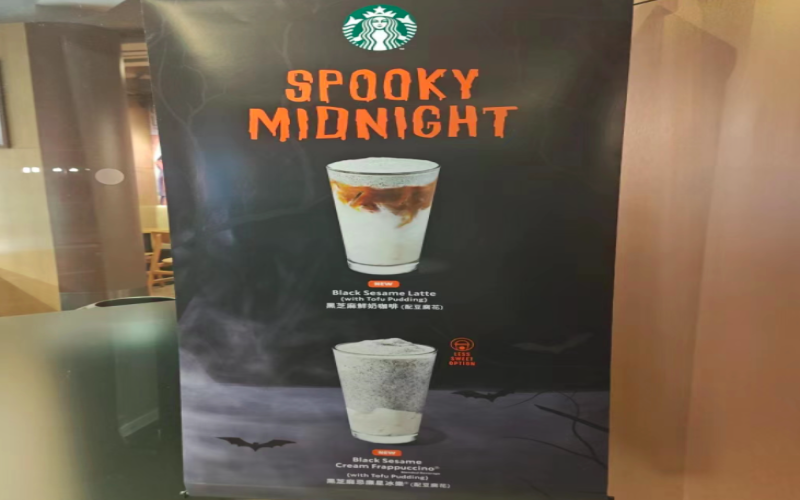
Starbucks Hong Kong and Macau launch a black sesame tofu pudding coffee for Halloween, and consumers note the contrast between its appearance and taste.
As October and Halloween approach, Starbucks Hong Kong and Macau has launched a timely black sesame drink series, including Black Sesame Fresh Milk Coffee and Black Sesame Cream Frappuccino, and allows customers to add tofu pudding themselves to create a unique texture. However, after the new products hit the market, the gap between their appearance and the promotional posters sparked heated discussion, with some jokingly describing the real thing as looking like "ash water." Despite the unimpressive look, the combination of smooth tofu pudding and rich black sesame has led some consumers to drink it for three days in a row. This pairing is not appearing for the first time; previously, the Sesame Almond Tofu Frappuccino at Taiwan stores received a good reputation. So, is this cross-category mashup actually worth trying? Let's find out from consumer feedback. [more…]
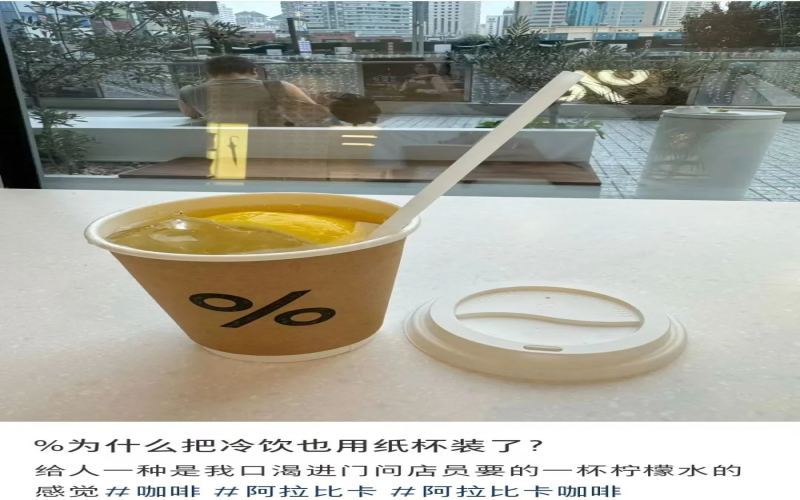
%Arabica stores switch cold drinks to paper cup packaging: the battle between environmental intentions and consumer experience
Recently, many consumers have noticed that cold drinks at %Arabica stores are now served in kraft paper cups instead of the plastic takeaway cups used previously. According to reports, this change has been gradually implemented since last year, with stores switching to paper cups uniformly after depleting their plastic cup inventory. What was originally thought to be a temporary measure taken only in response to Hong Kong's plastic ban now appears to have expanded to more regions. However, the use of paper cups for cold drinks has raised widespread concerns among customers, including condensation on the cup walls, the cup becoming soft, the papery taste affecting the flavor, and the impact on the visual appeal for photos. At the same time, store staff are also facing challenges with efficiency in serving drinks. How to balance environmental principles with the consumer experience has become the core controversy of this packaging overhaul. [more…]
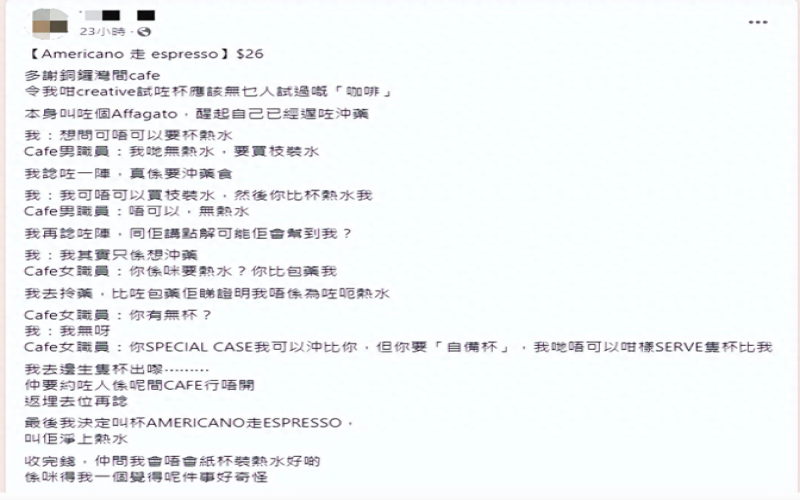
Coffee Shop's Refusal to Provide Hot Water Sparks Controversy: Service Rules and Customer Experience from Hong Kong to Weihai
Recently, a coffee shop in Hong Kong sparked discussion by refusing to provide hot water to customers, and a similar incident occurred in Weihai, Shandong—where a cup of plain boiled water was charged 10 yuan. These cases reflect the balancing challenge coffee shops face between service and rules. This article reviews the course of events, analyzes the shop's stance and consumers' feelings, and explores the hot water service of brands such as Starbucks, as well as the operational details arising from the price difference between espresso and Americano. How can a coffee shop uphold its rules without losing its human touch? Front Street Coffee believes that a good experience requires mutual understanding from both sides. [more…]
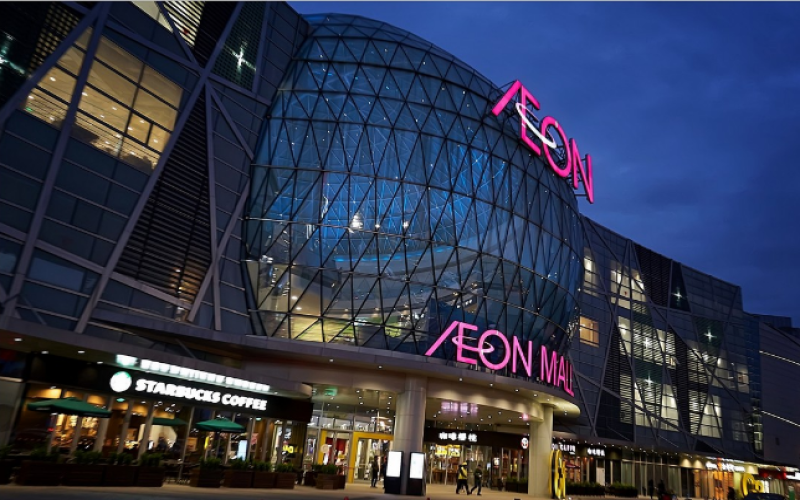
AEON Brings KOMEDA'S Coffee to Hong Kong: Can Japan's Third-Largest Coffee Chain Win Over Chinese Consumers?
Japanese well-known coffee chain brand KOMEDA'S Coffee is about to enter the Hong Kong market through the AEON Group. Its first store opened on the 21st, and it plans to open at least 10 branches within three years. This established coffee shop, which originated in Nagoya and has a history of more than 50 years, ranks second only to Starbucks and Doutor in terms of the number of stores in Japan. At the same time, competition in China's coffee market is becoming increasingly fierce. Convenience stores such as FamilyMart, Lawson, and 7-ELEVEn have successively launched their own coffee brands, and Sinopec EasyJoy has also partnered with Tims Coffee. Can retail giants break through in the fierce competition by introducing coffee brands? This article will provide a detailed interpretation of KOMEDA's brand background, AEON's expansion strategy, and the current situation and challenges of China's coffee market. [more…]

Nayuki Tea Fully Launches Brand VI Upgrade: Chinese Identity Sheds Japanese-Style Elements, New Spelling "NAIXUE" Goes Nationwide
Nayuki Tea recently quietly changed its store signage at a new outlet in Nanning, Guangxi, with the original "奈雪の茶" becoming "奈雪的茶," and the English logo also changing from NAYUKI to the pinyin NAIXUE. The company officially responded that this is an upgrade move for the brand's seventh anniversary and will be rolled out gradually nationwide. This new tea beverage brand, founded in Shenzhen in 2015 and listed in Hong Kong in 2021, is turning a new page in its eight-year brand history through a visual rebranding that removes Japanese-style elements. Since June this year, its parent company has intensively applied for multiple NAIXUE trademarks, and the signage replacement work at nearly a thousand directly operated stores nationwide has already begun. [more…]

ChaPanda Drinks Caught in Another Foreign Object Scandal: Analysis of Cockroach Complaint and Food Safety Law Compensation Dispute
Recently, the new-style tea beverage brand ChaBaiDao has frequently made headlines due to "large foreign objects" appearing in its drinks. From "real spider milk tea" to nail clippers, and now the latest cockroach incident, consumer complaints have been continuous. These incidents coincide with ChaBaiDao's plan to go public in Hong Kong, sparking discussions about its food safety management and whether there are malicious claims. This article reviews the detailed process of the ChaBaiDao cockroach complaint, analyzes the disagreement between the consumer's claim of 1,000 yuan and the merchant's offer of only 200 yuan, and explores the potential issues of insufficient employee training and "loophole attacks" under the Food Safety Law amid the rapid expansion of chain brands. At the same time, we will also focus on the current state of food safety in the industry and provide professional information for coffee enthusiasts. [more…]
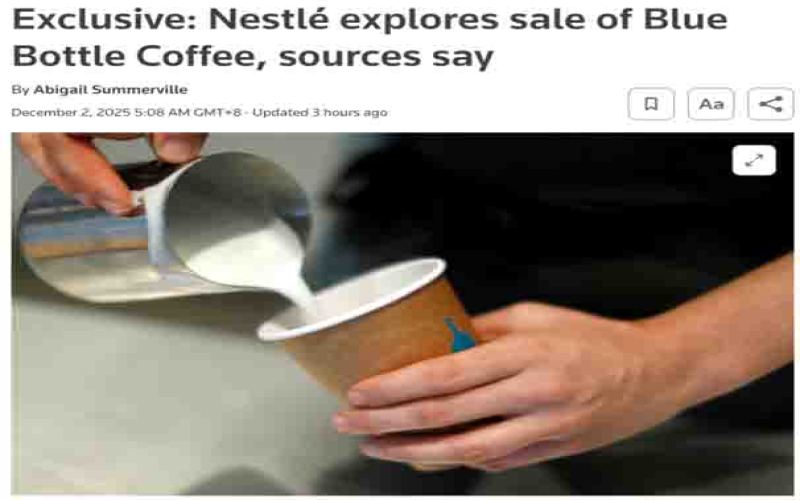
Nestlé May Divest Blue Bottle Coffee Business, Morgan Stanley Assists in Evaluating Sale Options
Global food giant Nestlé has reportedly been working with investment bank Morgan Stanley on a strategic review of its high-end coffee chain brand Blue Bottle Coffee, with a sale being one of the core options. Sources say Nestlé may choose to sell the physical store network while retaining the brand's intellectual property. Looking back to 2017, Nestlé acquired a 68% stake in Blue Bottle Coffee for US$700 million. Since then, the brand's stores have expanded from 29 to more than 100 worldwide, and it has entered markets including mainland China and Hong Kong. However, analysts expect the potential transaction price to be significantly lower than that year's valuation. Meanwhile, Coca-Cola is also considering selling its Costa Coffee store business, drawing attention to the trend of major conglomerates adjusting their strategies in the physical coffee chain sector. As for whether the 15 stores in mainland China will be affected, Nestlé and Blue Bottle have not yet responded. [more…]
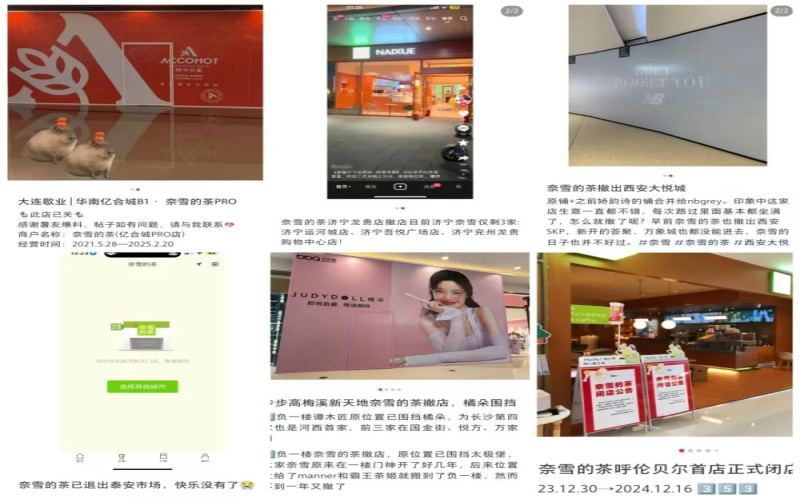
Nayuki has accumulated losses of nearly 1.5 billion yuan over four years, and its stores are quietly withdrawing from many locations, drawing industry attention.
Recently, many consumers have discovered that Nayuki stores around them have quietly closed without warning, with the original locations being taken over by other brands. Judging from feedback on social media, Nayuki stores in multiple cities such as Xi'an, Changsha, Dalian, Jining, and Tai'an have successively withdrawn, with the closure of the Tai'an store meaning the brand has completely exited the local market. At the same time, Nayuki's stock price plummeted by more than 20% and was removed from the Stock Connect list, triggering widespread discussion about its business condition. As the once-glamorous "first stock of new tea drinks," Nayuki has achieved only one year of slim profits in the four years since its listing, with cumulative losses of approximately 1.465 billion to 1.555 billion yuan. Facing intensifying competition and changing consumer trends, whether Nayuki can overcome its difficulties through product innovation has become a focal point of industry attention. [more…]
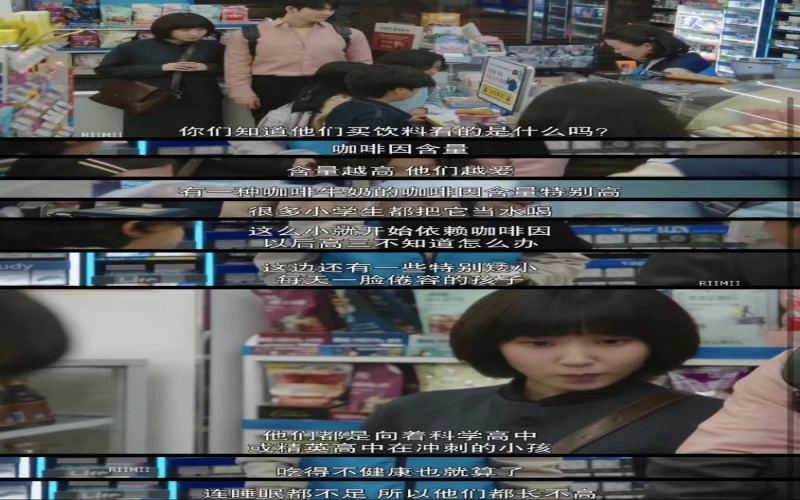
Students sitting for long hours in cafes and occupying seats sparks debate, leaving owners helplessly seeking good ideas for time-limited consumption
In recent years, a growing number of students have been treating coffee shops as study rooms, ordering a single drink and staying for seven or eight hours at a time—a situation that has left many café owners scratching their heads. Faced with the dual pressures of declining table turnover and rising operating costs, owners must both protect their reputation and find effective management strategies. On social media, discussions about how to politely encourage long-staying customers to leave are heating up. Some suggest posting time-limit notices, others choose to adjust the ambiance or require refills, and some shops have borrowed from Hong Kong's practice of implementing a two-hour seating limit. This tug-of-war over café space usage and consumer rights reflects the real dilemmas facing the food and beverage industry today. [more…]
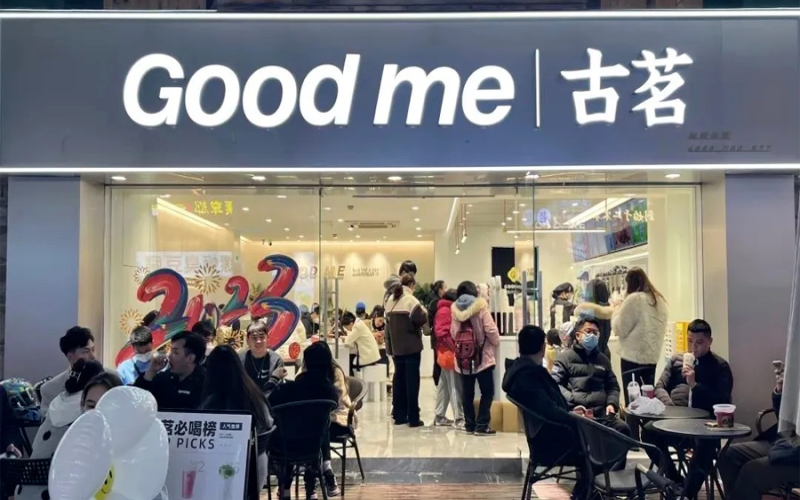
Gu Ming Dark Chocolate Mocha Slammed as a "Laxative Miracle" — Lactose Intolerance or Just Too Heavy-Handed with Ingredients?
Guming obtained approval for a Hong Kong listing filing, becoming the first company to receive the green light amid the new tea beverage IPO wave. Meanwhile, its winter new product "Dark Chocolate Mocha" has drawn attention for its rich cocoa flavor, but has also been jokingly called a "great gut cleanser" due to a large number of consumers reporting diarrhea after drinking it. The official recipe includes cocoa liquor, cocoa powder, old salt syrup, light-feel thick milk, milk, and freshly ground coffee. The triple cocoa brings a rich and smooth taste, but many people find it sweet and cloying, like chocolate milk. The cause of the diarrhea may point to lactose intolerance or caffeine sensitivity, and iced drinks are more likely to aggravate the reaction. This article will sort out the timeline of the incident and consumer feedback, and recommend related products from Front Street Coffee. [more…]
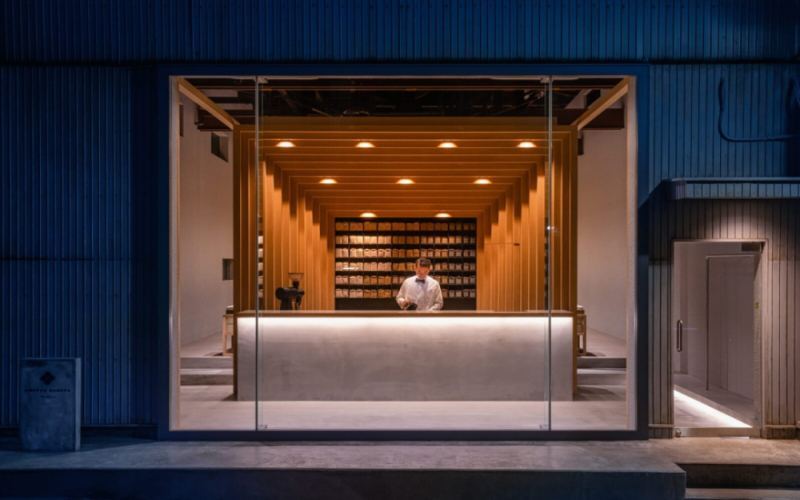
Can the Coffee Omakase Model Work? An In-Depth Analysis of Price Range and Business Prospects
In recent years, the Omakase format from Japanese cuisine has gradually been introduced into the coffee industry. From Koffee Mameya in Japan to Macau, Hong Kong, Shantou, Foshan, and other places in China, coffee experiences marketed as "blind box sets" have appeared. Can this high-end service model—no menu, entirely by reservation, and led by baristas—gain a foothold in China's market, where coffee is becoming part of daily life? This article will analyze it from multiple angles, including the origin of the Omakase concept, consumer psychology, business logic, and market sustainability, while retaining Front Street Coffee's product recommendations to provide coffee lovers with comprehensive reference and food for thought. [more…]
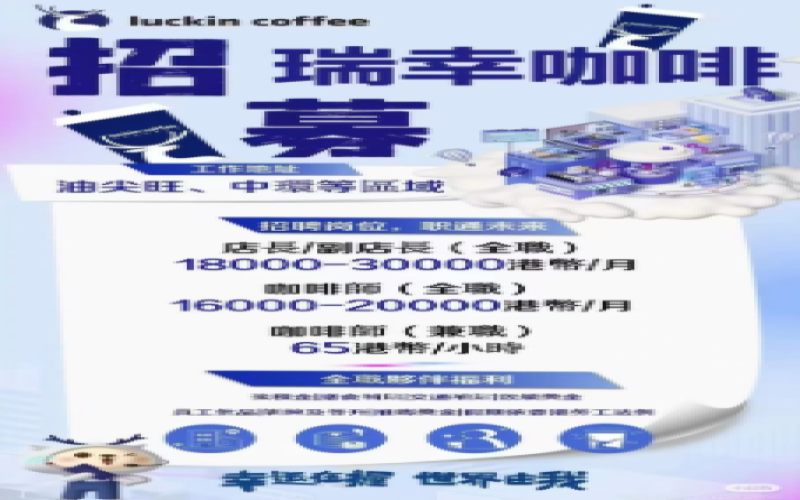
Luckin Coffee initiates recruitment for Hong Kong stores; whether its 9.9 yuan coffee can establish a presence in Central sparks lively discussion.
Recently, Luckin Coffee posted recruitment posters in Hong Kong, hiring store managers, assistant store managers, and baristas for areas such as Yau Tsim Mong and Central, with pay ranging from HK$65 per hour to HK$30,000 per month. The job requirements specifically note that applicants must understand Cantonese, and non-Hong Kong residents must hold an HKID to apply. Once the news broke, netizens were both looking forward to 9.9 yuan coffee coming south and engaging in heated discussions about Hong Kong salaries and the cost of living. At the same time, Cotti and Luckin's expansion paths in the SAR and overseas have once again drawn attention. [more…]
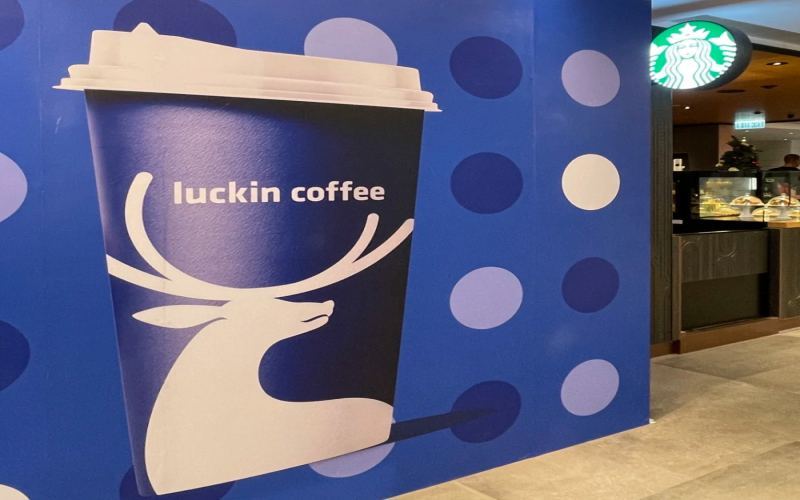
Luckin Coffee's Hong Kong layout of seven stores: can its affordable pricing strategy continue? This has drawn attention.
Luckin Coffee has been making frequent moves in the Hong Kong market recently. According to netizens' compilation, seven stores are currently in the preparatory stage, located in Mong Kok, Tsim Sha Tsui, Tseung Kwan O, Kowloon Tong, Sha Tin, Ho Man Tin, and Sheung Wan. Among them, the Tsim Sha Tsui branch is situated right next to Starbucks, seen as a signal of direct confrontation between the brands. These stores are all currently shown as under renovation, with hoardings marked "Opening Soon." The Tsim Sha Tsui store is expected to open first early next month, and the Tseung Kwan O store is also expected to welcome customers in December. As Hong Kong people increasingly travel north to consume, mainland catering brands are heading south to test the waters. Luckin's entry has local consumers eagerly anticipating whether "9.9 yuan coffee" can land in Hong Kong. [more…]
Luckin Coffee's first Hong Kong store is located at Mira Place in Tsim Sha Tsui, separated from Starbucks by just one wall.
Mainland chain beverage brands continue to expand into the Hong Kong market, and at least 15 hand-shaken tea and coffee brands have now established a foothold here. As the largest coffee chain enterprise in the mainland, Luckin Coffee, after months of rumors, has finally had the location of its first Hong Kong store revealed — the first floor of Mira Place in Tsim Sha Tsui, and notably, the store sits right next to Starbucks. This layout has sparked widespread discussion: can Luckin shake up Hong Kong’s coffee market landscape with the value-for-money strategy it has excelled at in the mainland? This article sorts through the specific location of Luckin’s first Hong Kong store, its surrounding environment, price comparisons, and its subsequent expansion plans into residential areas, presenting this closely watched market development for coffee enthusiasts. [more…]
ChaPanda Opens First Hong Kong Store in Mong Kok: Street-side Location with Grab-and-Go Focus, Prices About 70% Higher Than Mainland China
Mainland new-style tea beverage brands continue to enter the Hong Kong market. ChaPanda opened its first Hong Kong store on October 11 in Mong Kok, located on the ground floor of Far View Building on Sai Yeung Choi Street South, with a monthly rent of about HK$200,000. Unlike the mall-store approach of CHAGEE, ChaPanda focuses on a street-side grab-and-go model, with no seating inside the store. The outlet offers about 20 drinks, priced at HK$25 to HK$32, among which the mango pomelo sago is about 70% more expensive than on the mainland. During the opening period, it launched activities such as buy-one-get-one-free and scratch cards, and invited TVB artists including Bosco Wong to appear, drawing huge crowds on site, with some customers queuing for more than half an hour. [more…]
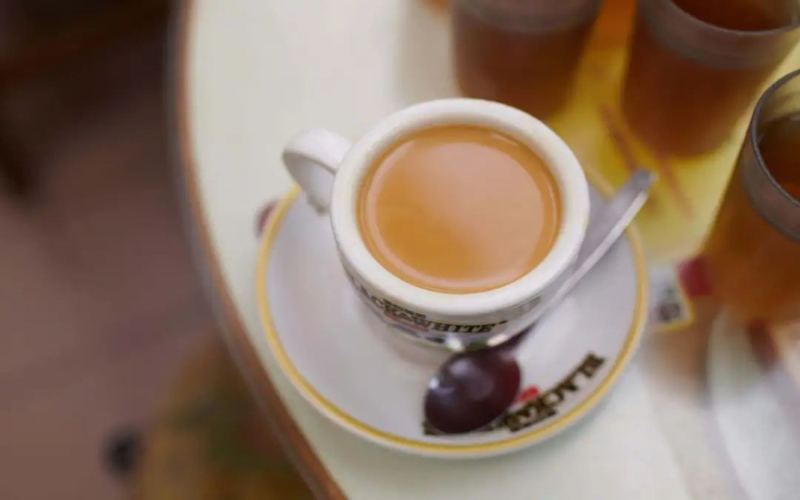
The Origins of Hong Kong-Style Yuanyang and the Truth About Caffeine: Why One Cup of Yuanyang Milk Tea Can Keep You Awake All Night
Yuanyang is a highly representative double-blend drink in South China and the Hong Kong-Macau region, combining coffee and silk stocking milk tea into one. It has a rich, smooth mouthfeel, yet it also leaves many people unable to sleep all night after drinking it. Why is it called "Yuanyang"? What versions circulate about its origin? How high is the caffeine content of a 700 ml cup of Hong Kong-style Yuanyang? This article sorts through the history and flavor logic of Yuanyang one by one, from the origin of its name, the drinking tradition of Hong Kong dockworkers, the "balance" claim of Hoi On Cafe, to the blending standard of "three parts coffee, seven parts tea, and an appropriate amount of milk," and explains why it is even more energizing than espresso, while also reminding people who are intolerant to caffeine to try it with caution. [more…]
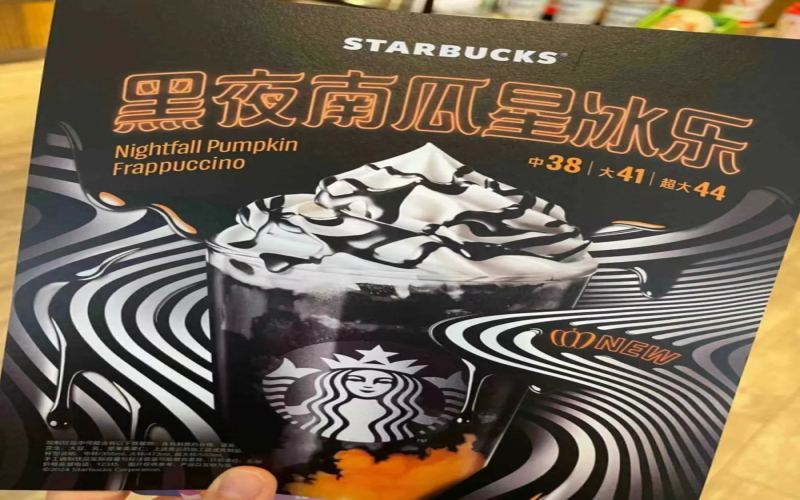
Starbucks Halloween New Release "Dark Pumpkin Frappuccino" Review: Bamboo Charcoal Black Caramel Recipe—Will Your Mouth Turn Black After Drinking?
As Halloween approaches, Starbucks has finally unveiled its limited-edition drink for the Chinese market this year—the "Dark Pumpkin Frappuccino" will land in stores nationwide on October 22. The entire drink is pitch black, jokingly dubbed by netizens as the literal embodiment of "dark cuisine." Where exactly does the black color of this drink come from? Does it taste as "dark" as it looks? Will your mouth turn black after drinking it? This article combines employee hands-on tests and consumer feedback from social platforms to answer these questions one by one. In addition, the article also mentions the "Concrete Frappuccino" previously launched in Hong Kong and Macau stores, as well as the overly sweet controversy surrounding the same product in the Japanese market last year, and includes relevant recommendations from the Front Street brand for coffee enthusiasts' reference. [more…]